Texas Roadhouse Rolls Copycat Recipe

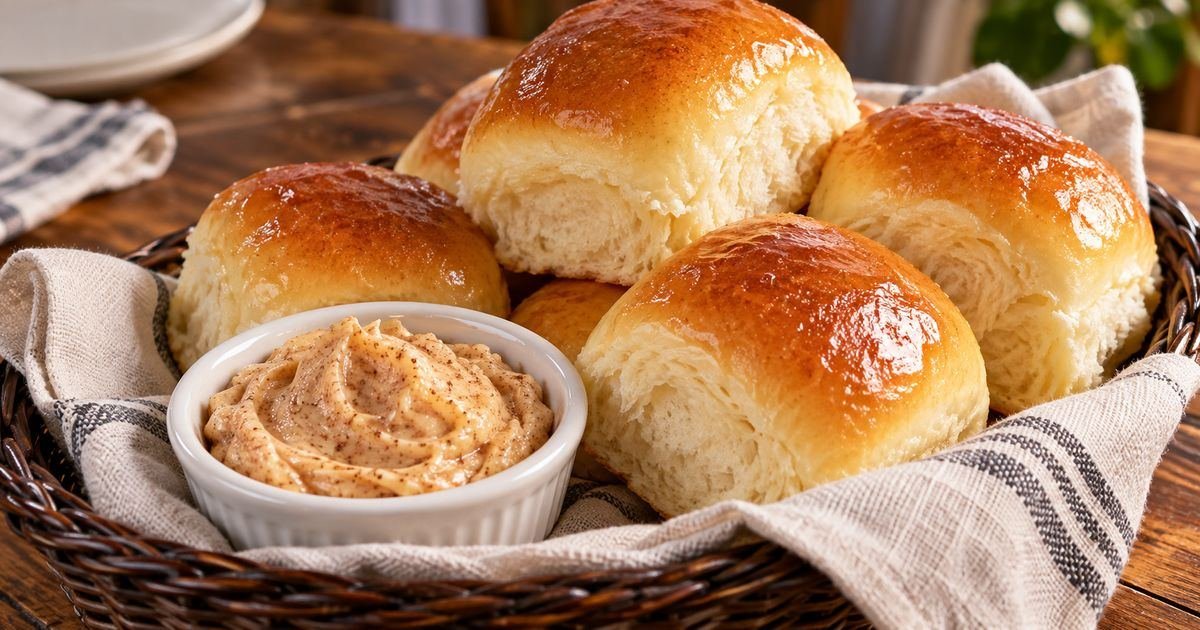
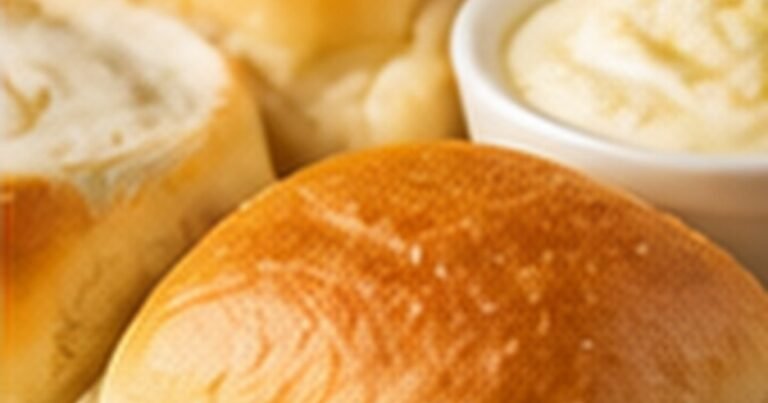
Texas Roadhouse-style rolls are soft, fluffy, lightly sweet, and best served warm with butter. This Texas Roadhouse rolls copycat recipe is an independent homemade version designed for beginners who want tender yeast rolls with a golden top and a pillowy center.
The recipe takes longer than a quick bread because the dough needs time to rise, but most of that time is hands-off. If you can mix, knead, shape, and wait patiently for the dough to expand, you can make a bakery-style basket of rolls at home.
Texas Roadhouse Rolls Copycat Recipe for Beginners
Texas Roadhouse is well known for serving warm bread with meals. The restaurant does not publish its full proprietary roll recipe for home cooks, so this version focuses on the qualities people associate with the bread: a soft crumb, gentle sweetness, buttery flavor, and a tender golden crust.
Milk, butter, egg, and sugar enrich the dough. Yeast provides the rise, while bread flour or all-purpose flour builds enough gluten to hold the air created during proofing.
For beginners, dough texture matters more than exact flour volume. Humidity and flour brands vary, so add the final portion of flour gradually and stop when the dough is soft, smooth, and slightly tacky instead of dry.
Ingredients You’ll Need
For about 16 medium rolls, use:
- 1 cup whole milk
- 2 1/4 teaspoons active dry yeast, one standard packet
- 1/4 cup granulated sugar, divided
- 4 tablespoons unsalted butter, melted and cooled slightly
- 1 large egg
- 1 teaspoon fine salt
- 3 1/4 to 3 3/4 cups all-purpose flour or bread flour
- 2 tablespoons melted butter for brushing
Whole milk creates a richer, softer roll, but 2% milk can work. Bread flour gives the rolls a little more chew and structure, while all-purpose flour produces a very tender result.
Activate the Yeast
Warm the milk to about 105°F to 110°F. It should feel warm, not hot.
Pour the milk into a large bowl and stir in the yeast plus 1 teaspoon of the sugar. Let the mixture stand for 5 to 10 minutes.
The surface should become foamy or creamy. If nothing happens, the yeast may be old or the milk may have been too hot. Starting over is better than building a full dough around inactive yeast.
Mix and Knead the Dough
- Add the remaining sugar, melted butter, egg, and salt to the yeast mixture. Whisk until combined.
- Add 2 1/2 cups flour and stir until a thick sticky dough forms.
- Add more flour about 1/4 cup at a time until the dough pulls away from the sides of the bowl but still feels soft.
- Knead by hand on a lightly floured surface for 8 to 10 minutes, or use a stand mixer with a dough hook for about 6 to 8 minutes.
- Stop when the dough looks smooth and springs back slowly when pressed with a fingertip.
Avoid adding flour just because the dough feels slightly tacky. Soft enriched dough often sticks a little to your fingers, and too much flour can make the finished rolls dense.
First Rise
Place the dough in a lightly greased bowl and turn it once so the surface has a thin coating of oil or butter. Cover the bowl with plastic wrap or a clean kitchen towel.
Let the dough rise in a warm, draft-free place until roughly doubled in size. This usually takes about 60 to 90 minutes, depending on room temperature.
Do not rely only on the clock. Dough rises faster in a warm kitchen and slower in a cool one.
How to Shape the Rolls
Gently press the risen dough to release large air pockets. Turn it onto a lightly floured surface and roll it into a rectangle about 1/2 inch thick.
Cut the dough into roughly 16 rectangles using a bench scraper, pizza cutter, or sharp knife. The pieces do not need to be perfectly identical, but similar sizes bake more evenly.
Place the pieces on a parchment-lined baking sheet with about 1 inch of space between them. Cover loosely and let them rise again for 30 to 45 minutes, until noticeably puffy.
Bake Until Soft and Golden
Preheat the oven to 350°F while the rolls complete their second rise.
Bake for about 12 to 16 minutes, until the tops are lightly golden. Avoid baking until deeply brown if you want the softest restaurant-style crust.
Brush the hot rolls with melted butter as soon as they leave the oven. The butter softens the crust and adds a fresh, glossy finish.
Let the rolls cool for about 5 minutes before serving. They are best while still warm.
How to Make the Rolls Extra Soft
Do not over-flour the dough. A soft dough holds more moisture, which helps produce a tender crumb.
Give both rises enough time. Under-proofed rolls can bake up tight and heavy because the yeast has not created enough gas before the dough enters the oven.
Brush the rolls with butter while hot and loosely cover the basket with a clean towel for a few minutes before serving. The trapped warmth softens the outer crust without making the bread wet.
Cinnamon Honey Butter Pairing
Soft rolls pair naturally with cinnamon honey butter. To make a simple version, beat together 1/2 cup softened butter, 2 tablespoons honey, 2 tablespoons powdered sugar, and 1/2 teaspoon ground cinnamon until fluffy.
Chill the butter if it becomes too soft, or serve it immediately if you prefer a whipped texture. A pinch of salt can balance the sweetness.
This butter also works on pancakes, waffles, biscuits, cornbread, and baked sweet potatoes.
Common Mistakes to Avoid
Do not use very hot milk. High heat can damage the yeast and prevent the dough from rising properly.
Avoid adding all the flour at once. Flour absorption varies, and an overly dry dough makes dense rolls.
Do not rush the second rise. Shaped rolls should look visibly puffy before baking.
Finally, do not overbake. These rolls should be lightly golden, not dark brown, if you want a soft crust.
Make-Ahead and Freezing Tips
You can prepare the dough through the first rise, shape the rolls, cover them tightly, and refrigerate overnight. Let the cold rolls sit at room temperature until puffy before baking.
Baked rolls also freeze well. Cool them completely, place them in a freezer-safe bag, and freeze for up to about 2 months for best quality.
Reheat thawed rolls in a 300°F oven for several minutes, then brush with a little melted butter before serving.
FAQs: Texas Roadhouse Rolls Copycat Recipe
Q. Is this the official Texas Roadhouse roll recipe?
A. No. This is an independent copycat-style recipe designed to create similarly soft, lightly sweet dinner rolls at home.
Q. Can I use instant yeast instead of active dry yeast?
A. Yes. You can mix instant yeast directly with the dry ingredients. Rise times may be slightly shorter, so watch the dough rather than relying only on the clock.
Q. Why did my rolls turn out dense?
A. Too much flour, inactive yeast, insufficient kneading, or short proofing can all produce dense rolls.
Q. Can I make the rolls without a stand mixer?
A. Yes. Kneading by hand works well. Expect about 8 to 10 minutes of kneading on a lightly floured surface.
Conclusion
This Texas Roadhouse rolls copycat recipe gives beginners a reliable path to soft, fluffy homemade dinner rolls with a buttery finish. The most important details are active yeast, a soft dough, enough rising time, and gentle baking.
Serve the rolls warm with cinnamon honey butter, or use them alongside steak, chicken, soup, or a holiday dinner. Once you understand the dough texture, the same method becomes useful for many homemade dinner-roll recipes.
Disclaimer: This homemade recipe is an independent copycat-style interpretation and is not an official Texas Roadhouse recipe. Restaurant ingredients and preparation methods may differ.