Panda Express Chow Mein Copycat Recipe

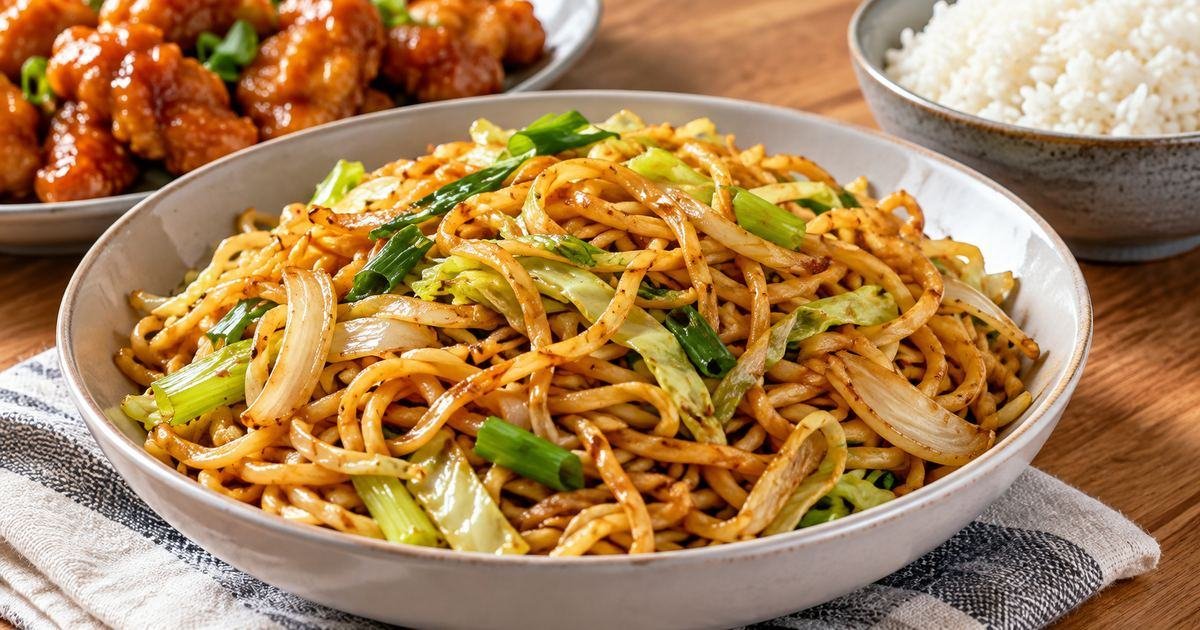
Panda Express-style chow mein is a simple noodle side with cabbage, celery, onion, and a savory sauce. This Panda Express chow mein copycat recipe gives beginners a fast homemade version that works especially well with our Panda Express orange chicken copycat recipe.
The recipe takes about 25 minutes from start to finish if your vegetables are already sliced. The biggest challenge is preventing the noodles from becoming soggy, so use high heat and avoid overcooking them before they reach the skillet.
Panda Express Chow Mein Copycat Recipe at Home
This is an independent copycat-style recipe, not an official restaurant formula. The goal is to recreate the familiar takeout-style combination of soft-chewy noodles, crisp-tender vegetables, and a lightly glossy savory sauce.
For the closest texture, use fresh chow mein or yakisoba-style noodles if you can find them. Dried wheat noodles also work, but they need to be cooked carefully so they do not turn too soft.
Prepare everything before heating the skillet. Stir-frying moves quickly, and you will not have much time to chop vegetables or measure sauce once cooking begins.
Ingredients You’ll Need
For about 4 side servings, use:
- 12 ounces fresh chow mein or yakisoba noodles
- 1 tablespoon neutral cooking oil
- 1 teaspoon toasted sesame oil
- 2 cups thinly shredded green cabbage
- 1 cup thinly sliced celery
- 1/2 medium yellow onion, thinly sliced
- 2 green onions, sliced, optional
- 2 tablespoons soy sauce
- 1 tablespoon oyster sauce
- 1 teaspoon brown sugar
- 1 teaspoon rice vinegar
- 2 tablespoons water
- 1/4 teaspoon black or white pepper
Oyster sauce adds savory depth and a little sweetness. If you need a vegetarian version, use a mushroom-based vegetarian oyster sauce.
Sesame oil is strong, so only a small amount is needed. Use it mainly for aroma rather than as the primary cooking oil.
Prepare the Noodles
Follow the package directions for your noodles, but stop cooking as soon as they are flexible and just tender.
If you use fresh refrigerated noodles, they may only need a quick rinse or brief loosening in hot water. Do not boil them for several minutes unless the package specifically instructs you to do so.
Drain thoroughly. Excess water can steam the vegetables and dilute the sauce.
If the noodles seem likely to stick while you prepare the vegetables, toss them with a few drops of neutral oil.
Mix the Chow Mein Sauce
In a small bowl, stir together the soy sauce, oyster sauce, brown sugar, rice vinegar, water, pepper, and sesame oil.
Mix until the sugar dissolves. Taste the sauce before cooking. It should be savory and slightly sweet with enough acidity to keep it from feeling heavy.
Do not add extra salt yet. Soy sauce and oyster sauce already contain plenty of sodium.
How to Stir-Fry the Vegetables
- Heat a large skillet or wok over medium-high to high heat until hot.
- Add the neutral oil and swirl to coat the surface.
- Add the onion and celery. Stir-fry for about 2 minutes.
- Add the cabbage and continue cooking for 1 to 2 minutes, just until it begins to soften.
- Keep the vegetables moving so they cook quickly without turning mushy.
The vegetables should still have some bite. They will continue cooking after the noodles and sauce are added.
Add the Noodles and Sauce
Add the drained noodles to the skillet and use tongs to lift and toss them with the vegetables.
Pour the sauce around the edges of the hot skillet rather than directly into one spot. This helps it spread quickly.
Toss continuously for 2 to 3 minutes, until the noodles are hot and evenly coated. Add the green onions during the final 30 seconds if using.
Serve immediately. Chow mein loses some of its chewy texture if it sits in the hot pan for too long.
How to Keep the Noodles From Getting Soggy
The most important step is not overcooking the noodles before stir-frying. They only need to be flexible enough to separate.
Drain them well. Water left on the noodles turns the skillet into a steamer and weakens the sauce.
Use a large pan. If the skillet is crowded, moisture cannot evaporate quickly and the noodles may become soft instead of lightly seared.
Finally, keep the cook time short once the sauce is added. Toss until coated and hot, then remove the pan from the heat.
Best Noodles to Use
Fresh chow mein noodles are the easiest choice for a takeout-style texture. Yakisoba noodles are another convenient option and are often sold in refrigerated produce sections.
Dried lo mein noodles can work if cooked only until just tender. Spaghetti can be used in a pinch, but the texture and flavor will be less authentic.
Whatever noodle you choose, avoid very thin noodles that can break apart under vigorous tossing.
What to Serve With Chow Mein
- Panda Express orange chicken copycat recipe
- Teriyaki chicken
- Beef and broccoli
- Honey walnut shrimp
- Grilled chicken
- Vegetable spring rolls
- Steamed dumplings
Chow mein is rich enough to act as a side or a light main dish. Add cooked chicken, shrimp, tofu, or extra vegetables if you want to turn it into a complete meal.
Easy Variations
For a vegetable-heavy version, add sliced carrots, bell peppers, bean sprouts, or mushrooms.
For extra protein, stir in cooked chicken, shrimp, pork, or tofu after the vegetables soften and before adding the noodles.
If you prefer more heat, add a small amount of chili-garlic sauce or crushed red pepper to the sauce mixture.
For a slightly sweeter version, add another 1/2 teaspoon brown sugar. For more tang, increase the rice vinegar by 1/2 teaspoon.
Common Mistakes to Avoid
Do not crowd the skillet. A large cooking surface helps the noodles and vegetables fry instead of steam.
Avoid cooking the cabbage until completely soft before adding the noodles. It should still have some structure.
Do not pour in extra soy sauce before tasting. The dish can become salty very quickly.
Finally, avoid leaving the finished chow mein over heat. Remove it from the burner as soon as the noodles are coated and hot.
Storage and Reheating
Store leftovers in a covered container in the refrigerator and use them within 3 to 4 days.
For the best texture, reheat chow mein in a hot skillet with a teaspoon of water or oil. Toss for a few minutes until heated through.
A microwave also works, but the noodles may become softer. Cover loosely and heat in short intervals, stirring between each one.
Browse our copycat recipes for more restaurant-inspired sides, sauces, and main dishes.
FAQs: Panda Express Chow Mein Copycat Recipe
Q. Is this the official Panda Express chow mein recipe?
A. No. This is an independent copycat-style recipe designed to create a similar savory noodle side at home.
Q. Can I use spaghetti instead of chow mein noodles?
A. Yes, in a pinch. Cook it just until tender and drain it very well, but expect a different texture.
Q. Can I make this vegetarian?
A. Yes. Use vegetarian mushroom-based oyster sauce and add tofu or extra vegetables if desired.
Q. Why are my noodles too soft?
A. They were probably overcooked before stir-frying, left too wet after draining, or cooked too long after the sauce was added.
Conclusion
This Panda Express chow mein copycat recipe gives beginners an easy way to make savory stir-fried noodles with cabbage, celery, onion, and a simple sauce. The most important details are keeping the noodles firm, using a hot pan, and cooking quickly.
Serve it with orange chicken or another protein, then adjust the vegetables or heat level to suit your meal. Once you know the basic sauce ratio, this becomes an easy weeknight noodle recipe rather than just a restaurant copycat.
Disclaimer: This homemade recipe is an independent copycat-style interpretation and is not an official Panda Express recipe. Restaurant ingredients and preparation methods may differ. Refrigerate leftovers promptly and follow safe food-handling practices.