What Is a Cyclical Menu? Easy Restaurant Menu Ideas

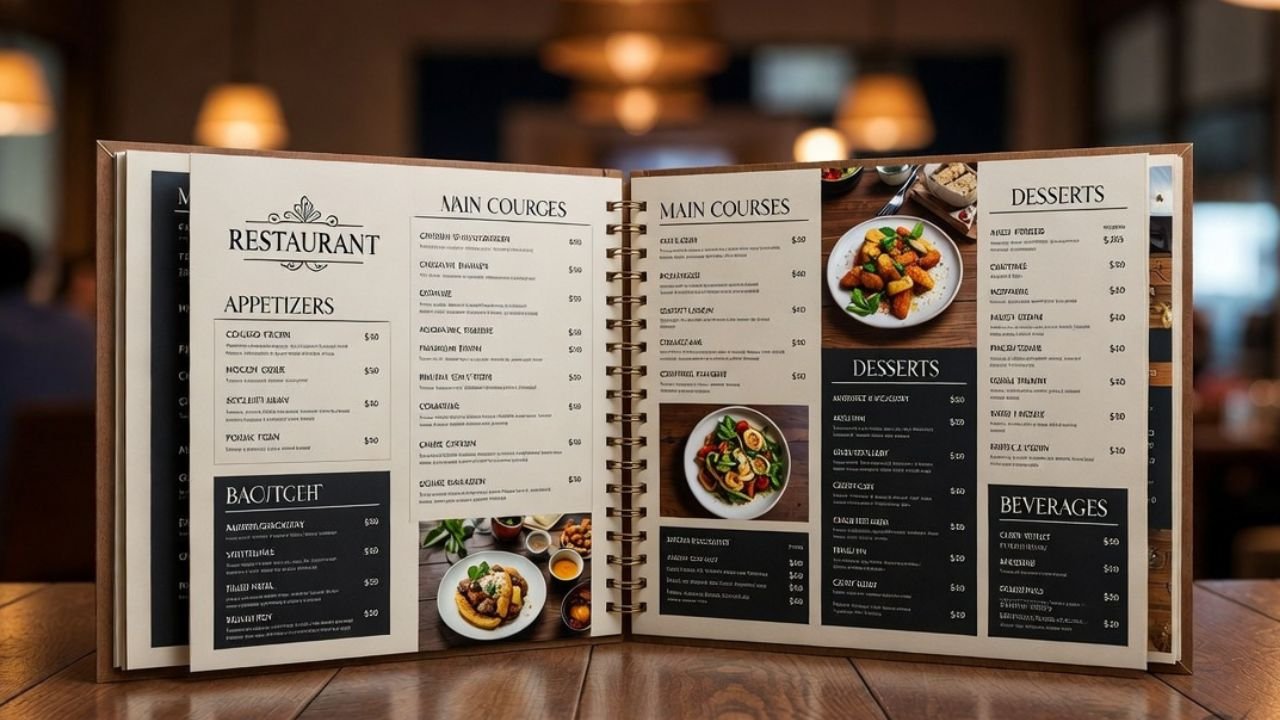
Have you ever walked into a favorite cafeteria or hospital dining hall and noticed the meals follow a predictable yet exciting rhythm? That’s the magic of a cyclical menu in action.
A cyclical menu is a pre-planned set of dishes that repeats over a specific period, like three to six weeks, before starting over. It brings structure to restaurant menu ideas while keeping things fresh for diners.
If you’re a home cook tired of last-minute dinner decisions, this concept could change everything.
We’ll decode exactly what a cyclical menu means, why restaurants love it, and how you can adapt it for easy copycat recipes right in your kitchen.
Stick around, and you’ll walk away with practical tools to make meal planning feel effortless and restaurant-level delicious.
Why Cyclical Menus Are a Game-Changer for Busy Kitchens and Home Cooks Alike
Cyclical menus solve real headaches in professional kitchens and busy households. They cut down on waste, streamline shopping, and guarantee variety without daily brainstorming.
I remember my first big family reunion where I used a simple four-week cycle. No more staring at the fridge wondering what to make. Everyone raved about the consistent quality, just like at a reliable neighborhood spot.
This approach fits perfectly into modern food trends. Whether you’re running a small eatery or feeding a family of four, a cyclical menu keeps things organized. It also shines for nutrition balance and cost savings.
Now, let’s dive deeper into the details.
Breaking Down the Cyclical Menu Definition
At its core, a cyclical menu is a rotating lineup of meals planned in advance.
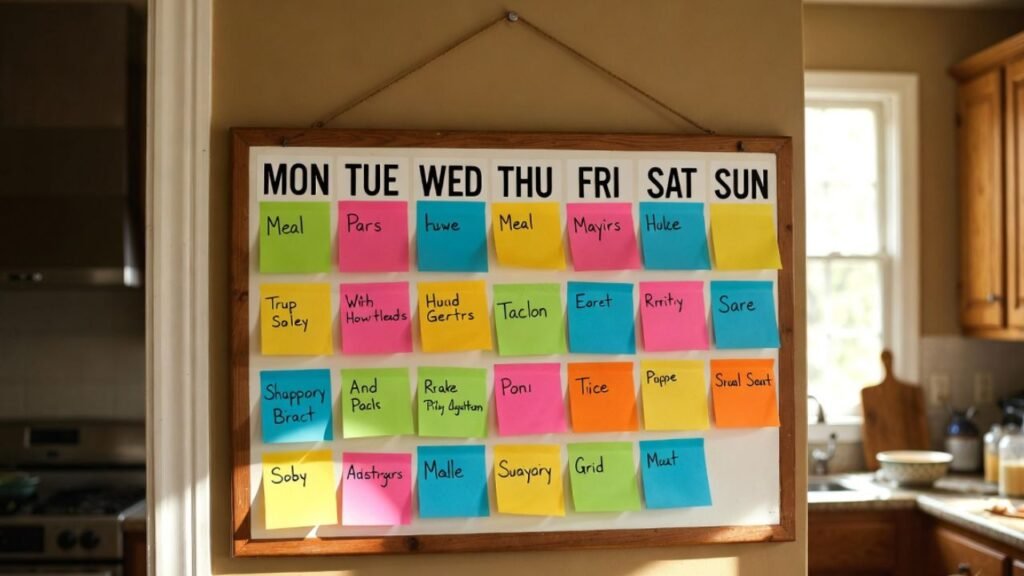
You map out breakfast, lunch, and dinner options for a set cycle, say four weeks. Once the period ends, the whole thing repeats with minor tweaks for seasons.
Unlike a static menu that stays the same year-round, or a daily special board that changes on a whim, this system offers built-in repetition with purpose.
Restaurants use it to manage inventory smartly. Home cooks get the same perks plus peace of mind.
Think of it as your personal menu decoding tool. It turns chaotic weeknights into smooth operations.
Key Benefits of a Cyclical Menu in Restaurants and at Home
Why go cyclical? The perks add up fast. First, you slash food waste by buying ingredients in bulk that get used across the cycle.
Second, costs drop because you lock in supplier deals. Third, diners enjoy balanced nutrition without boredom.
In restaurants, it boosts efficiency during peak hours. Staff prep faster when recipes repeat predictably. At home, it frees up your evenings for what matters.
I once adapted this for a month of busy work travel. My partner handled the cycle, and we ate better than ever.
Here is a quick comparison to show the difference:
| Aspect | Restaurant Cyclical Menu | Homemade Version |
|---|---|---|
| Planning Time | Hours per cycle, then repeats | 30 minutes weekly with a template |
| Cost Savings | Bulk buys and less spoilage | Grocery lists cut impulse spending |
| Variety Level | 20-30 dishes rotating | 7-14 family favorites on repeat |
| Nutrition Control | Meets strict guidelines easily | Easy to tweak for allergies or goals |
These wins make cyclical menus a smart pick for anyone craving restaurant-style dishes without the hassle.
Real-World Examples of Cyclical Menus from Popular Spots
Many places you know already use this system. School cafeterias often run four-week cycles with kid-friendly hits like tacos on Tuesdays and pizza Fridays. Hospitals rely on them for patient nutrition, rotating proteins and veggies to keep things appealing.
Casual chains might cycle seasonal specials, like summer salads giving way to hearty stews. One memorable trip to a Midwest diner showed me their three-week rotation in action. The chicken pot pie hit different every third Thursday. It felt special yet familiar.
You can steal these ideas for home. Imagine your own cycle featuring Monday pasta nights and weekend grill fests. It brings that professional polish to your table.
How to Build Your Own Cyclical Menu with Easy Copycat Recipes
Ready to create one? Start simple. Pick a cycle length that matches your routine, maybe two weeks to begin. List your family’s top 10 meals, then spread them out. Factor in themes, like Meatless Monday or Taco Tuesday, for fun.
Next, build a master shopping list. This step saves time and money. Include staples that carry over weeks. Adjust for seasons by swapping fresh produce. For example, use berries in summer and apples in fall.
To make it restaurant-worthy, focus on flavor profiles. Balance creamy, spicy, and fresh elements across days. Track what works and tweak after one cycle. Soon, you’ll have a custom system that feels effortless.
Step-by-Step Guide to Creating Restaurant-Style Dishes for Your Cycle
Let’s get hands-on. Here’s how I build dishes that fit any cyclical menu. We’ll use a crowd-pleasing example: Easy Garlic Herb Chicken, perfect for week two repeats.
Ingredients (serves 4):
- 4 boneless chicken breasts
- 3 tablespoons olive oil
- 4 garlic cloves, minced
- 1 teaspoon dried oregano
- 1 teaspoon fresh thyme leaves
- Salt and pepper to taste
- 1 lemon, juiced
- Fresh parsley for garnish
Step-by-Step Instructions:
- Preheat your oven to 375°F. This temperature gives that juicy inside with crispy edges, just like restaurant versions.
- Mix the olive oil, garlic, oregano, thyme, salt, pepper, and lemon juice in a bowl. It creates a bright marinade in minutes.
- Coat the chicken thoroughly and let it sit for 15 minutes if you have time. No big deal if you skip ahead.
- Bake on a lined sheet for 25-30 minutes until it reaches 165°F internally. Rest it five minutes before slicing.
- Garnish with parsley and serve hot.
This recipe slots beautifully into any cycle. Pair it with roasted veggies one week and rice the next for endless variety.
Cooking Tips: Use a meat thermometer every time to nail restaurant-level results. Double the batch for easy leftovers that stretch into lunch the next day.
Variations: Swap herbs for Italian seasoning in summer cycles or add smoked paprika for a bolder twist. Vegetarians? Try the same marinade on cauliflower steaks.
Serving Suggestions: Plate it family-style with a crisp green salad. For drinks, a light white wine or sparkling water with lemon works wonders. Menu pairing idea: Follow with a simple fruit crisp to end on a sweet note.

Tips for Success with Restaurant Menu Ideas and Cyclical Planning
Keep these pointers handy for smooth sailing.
- Rotate proteins to avoid boredom. Chicken one week, fish the next.
- Prep sauces in advance for quick assembly.
- Involve the family in picking favorites to boost excitement.
- Review the cycle monthly and swap low-performers.
For deeper insights on nutrition balance, check the USDA food guidelines at usda.gov. They offer great resources for building healthy cycles.
If you’re craving more, head to dishonmenu.com for our full collection of restaurant menu decoding articles and easy copycat recipes. You’ll find everything from seasonal specials to budget-friendly ideas.
More Ways to Level Up Your Cyclical Menu Game
Seasonal tweaks keep things exciting. In winter, lean into soups and stews. Summer calls for grilled options and fresh salads. This flexibility turns your home into a mini restaurant with ever-changing specials.
Track costs with a simple notebook. You’ll spot savings fast. Plus, it reduces stress during holidays when you can pause the cycle for special occasions.
Home cooks with kids especially love this. Predictable favorites build positive eating habits. I tweaked mine last year for back-to-school, and my niece still asks for “cycle night” tacos.
Final Thoughts on Embracing Cyclical Menus
A cyclical menu brings order and joy to mealtime. It delivers restaurant menu ideas without the daily scramble. Give it a try this week, and watch your kitchen transform.
Start small, stay consistent, and enjoy the freedom it brings. Your future self will thank you every time dinner hits the table stress-free.
FAQs About What Is a Cyclical Menu
How long does a typical cyclical menu last?
Most run for three to six weeks before repeating. This timeframe gives enough variety while staying manageable for planning and shopping.
Can I adapt a cyclical menu for dietary restrictions?
Absolutely. Swap ingredients like using plant-based proteins or gluten-free grains. It works great for allergies, vegan preferences, or low-carb goals without losing flavor.
What’s the difference between a cyclical menu and a static menu?
A cyclical menu rotates dishes over weeks for fresh appeal, while a static menu stays fixed year-round. The cycle version reduces waste and keeps diners engaged longer.
In the end, a cyclical menu is your secret weapon for smarter, tastier eating. Try it once, and you’ll wonder how you ever managed without it.
For even more inspiration, explore related recipes and full menu breakdowns on dishonmenu.com today.
Disclaimer: The information provided in this blog is for educational and inspirational purposes only and is not intended as professional culinary, nutritional, or medical advice. Always consult a qualified healthcare provider or registered dietitian for personalized dietary guidance, especially if you have specific health conditions or restrictions. Recipes and suggestions are based on general knowledge and should be adjusted for individual needs and safety.