What Is the Yield of a Recipe?

Have you ever followed a recipe to the letter only to end up with enough food for a small army? Or worse, barely enough for two people? That’s where the yield of a recipe comes into play.
It is basically the total amount your dish produces, whether that means servings, cookies, or cups of sauce.
Understanding the yield of a recipe helps home cooks like you avoid waste, plan meals smartly, and recreate those crave-worthy restaurant-style dishes right in your own kitchen.
I remember the first time I tried an easy copycat recipe for a famous chain’s chocolate chip cookies. Without checking the yield, I baked enough for 48 treats when I only needed a dozen for my family.
Lesson learned!
Now, let’s dive into everything you need to know about the yield of a recipe.
Why Mastering the Yield of a Recipe Elevates Your Home Cooking
Getting a handle on recipe yield transforms how you approach cooking. It saves time and money by matching portions to your needs.
Plus, it prevents those awkward moments when you run out of food mid-party or have leftovers piling up in the fridge.
For food lovers who enjoy restaurant menu ideas, knowing the yield bridges the gap between pro kitchens and your home stove.
It lets you scale dishes up or down while keeping that same amazing flavor.
Think about it. Chefs in busy restaurants rely on precise yields to keep menus consistent night after night.
You can do the same at home for reliable, restaurant-style dishes every time.
What Exactly Does the Yield of a Recipe Mean?
The yield of a recipe tells you the expected output. This could be “makes 4 servings” or “yields 2 dozen muffins.”
It is not just a number. It guides your shopping list and prep time.
In simple terms, it is the total volume or number of portions the full recipe creates when followed exactly.
Many recipes list the yield right at the top. Others hide it in the notes section.
Either way, spotting it early saves headaches.
For instance, a soup recipe might yield 6 cups, perfect for lunch leftovers.
How Restaurants Use Recipe Yield in Menu Decoding
Restaurants build entire menus around careful yield calculations.
A popular pasta dish on the menu might serve four people from one batch, keeping costs low and portions generous.
This is key for menu decoding when you want to recreate those favorites at home.
Next time you scan a restaurant menu, think about the implied yield.
It helps you guess how much to make for your own table.
Many easy copycat recipes online borrow this approach, so you can enjoy best dishes at home without the guesswork.
Calculating and Adjusting the Yield of a Recipe at Home
Figuring out the yield of a recipe is easier than it sounds. Start by reading the full instructions.
Note the total servings or volume it claims.
If it does not specify, estimate based on ingredient amounts, like how many eggs or cups of flour it uses.
To adjust, simply multiply or divide every ingredient by the same factor.
Want double the yield? Multiply by two.
Halving it? Divide everything by two.
Just remember, some items like baking powder may need slight tweaks for best results.
Here is a quick tip list for safe adjustments:
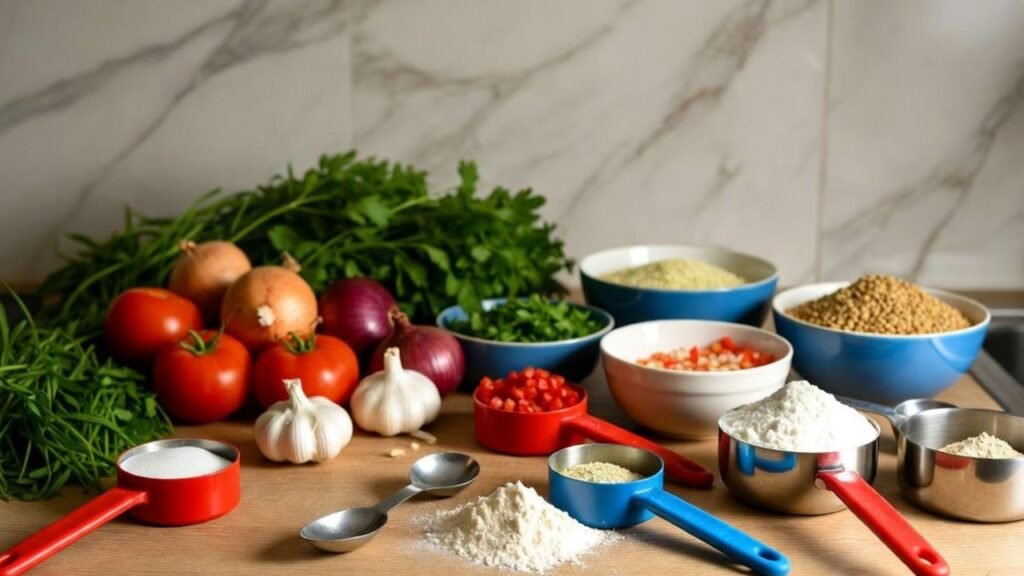
- Always measure accurately with the right tools
- Taste and adjust seasonings after scaling
- Test small batches first for baked goods
- Check cooking times, as larger yields may need extra minutes
This method works wonders for restaurant menu ideas you want to try at home.
Easy Copycat Recipe Example: Restaurant-Style Chocolate Chip Cookies
Nothing beats warm, gooey cookies that taste straight from your favorite spot.
This easy copycat recipe delivers that classic flavor with a clear yield of 24 cookies.
I tweaked it at home after a memorable dinner out, and it has become a family favorite.
Ingredients:
- 2 ¼ cups all-purpose flour
- 1 teaspoon baking soda
- 1 teaspoon salt
- 1 cup unsalted butter, softened
- ¾ cup granulated sugar
- ¾ cup brown sugar, packed
- 2 large eggs
- 2 teaspoons vanilla extract
- 2 cups chocolate chips
Step-by-step instructions:
- Preheat your oven to 375°F.
- Mix flour, baking soda, and salt in a bowl.
- Beat butter and sugars until creamy.
- Add eggs and vanilla, then blend well.
- Stir in dry ingredients and chocolate chips.
- Drop rounded tablespoons onto baking sheets.
- Bake 9 to 11 minutes until golden.
- Cool on the sheet for 2 minutes, then transfer to a rack.
This batch gives you exactly 24 perfect cookies.
Serve them warm with milk for that true restaurant experience.

Practical Tips for Scaling Recipe Yield in Restaurant-Style Dishes
Scaling the yield of a recipe opens doors to bigger gatherings or cozy dinners for two.
Keep flavors balanced by adding a pinch more salt or spice if needed.
For savory restaurant-style dishes, like a copycat pasta sauce, double the garlic for extra punch.
Use this simple table to compare versions:
| Aspect | Restaurant Version | Home Version |
|---|---|---|
| Yield | 48 portions | 24 portions |
| Prep Time | 30 minutes | 20 minutes |
| Cost per Serving | $2.50 | $1.20 |
| Flavor Intensity | Bold and consistent | Easy to tweak |
See how simple changes make big differences?
Try these adjustments next time you cook.
Benefits of Knowing Recipe Yield for Meal Planning and Beyond
Knowing the yield of a recipe streamlines your week.
You shop smarter, waste less, and enjoy consistent results.
It also inspires creative menu decoding, like turning one big batch into multiple meals.
Pair your scaled dishes with simple sides or drinks for full restaurant menu ideas.
A bigger yield of cookies? Freeze half for later.
The possibilities feel endless once you get the hang of it.
Flavor Profiles and Variations to Keep Your Dishes Restaurant-Quality
The yield of a recipe stays steady even when you add twists.
Swap chocolate chips for white chocolate and nuts for a new spin.
Gluten-free flour works great too, keeping that same yield.
For savory options, try scaling a copycat chili recipe.
Add extra veggies without changing the base yield much.
These variations keep your home cooking exciting and true to those best dishes at home you love.
For more inspiration, check out our easy copycat recipes section on dishonmenu.com.
You will find tons of restaurant menu ideas ready to scale.
FAQs About What Is the Yield of a Recipe
How Do You Calculate the Yield of a Recipe?
The yield of a recipe is usually listed in the instructions or notes. If not, add up the total volume or count the portions it naturally makes. Simple math and a quick test batch give you the exact number every time.
Can You Scale Up a Recipe Without Losing Flavor?
Yes, you can! Multiply ingredients evenly and taste as you go. Small seasoning boosts keep that restaurant-style taste intact, even with larger yields.
What Tools Make Adjusting Recipe Yield Easier?
A basic kitchen scale, measuring cups, and a calculator app do the trick. Some free online tools also help convert yields quickly for any recipe.
Mastering the yield of a recipe brings confidence to your kitchen. You will plan better, cook smarter, and enjoy more successful meals.
Give it a try with your next favorite dish.
Disclaimer: This post is for informational and entertainment purposes only. Always follow proper food safety guidelines when preparing recipes. Consult the USDA food guidelines for best practices.