How to Ferment Vegetables Recipes? [Crisp & Tangy]

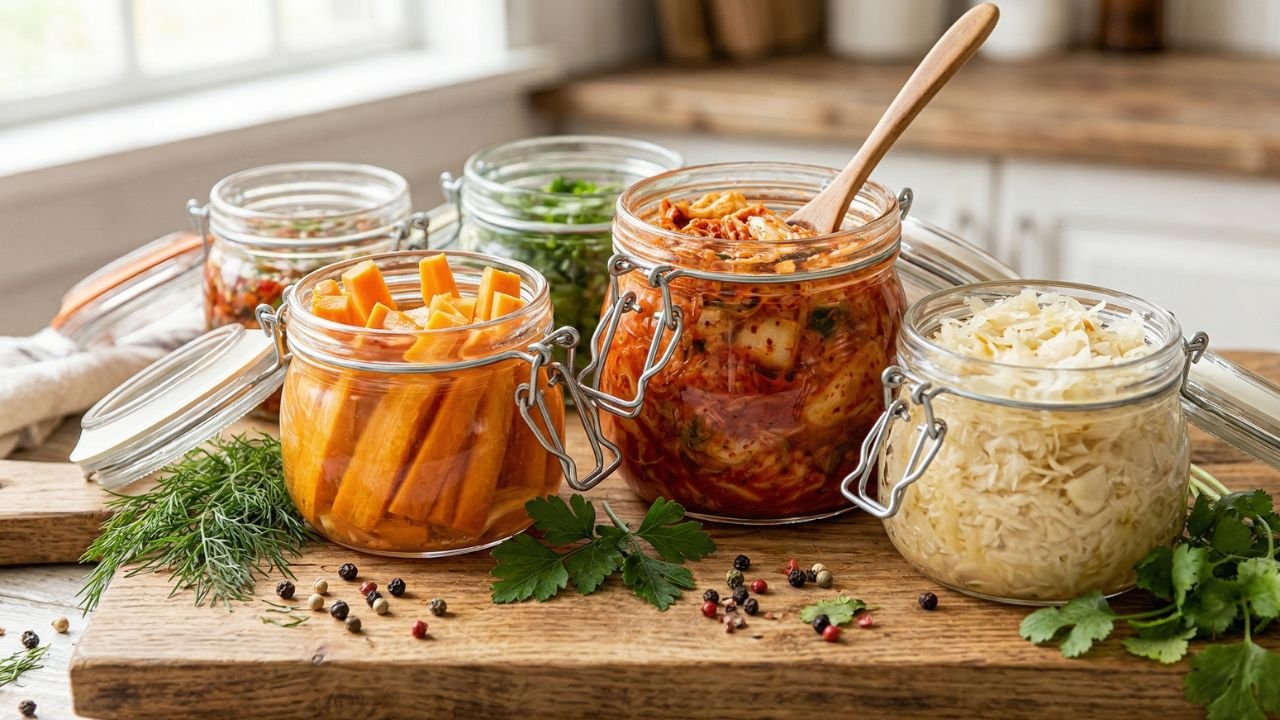
Have you ever bitten into a tangy pickle or crunchy sauerkraut at your favorite taco spot and wondered how to recreate that zing at home?
Fermenting vegetables is one of those simple kitchen tricks that turns ordinary produce into restaurant-style dishes packed with flavor and gut-friendly benefits.
I first tried my hand at how to ferment vegetables recipes years ago after a memorable meal at a local Korean eatery, and it opened up a whole new world of easy copycat recipes for me.
This method needs just salt, veggies, and a bit of patience. It fits perfectly into today’s food trends where home cooks want the best fermented vegetables at home without fancy equipment.
Whether you are new to menu decoding or a seasoned pro looking for fresh restaurant menu ideas, these how to ferment vegetables recipes will become your go-to.
Why You Will Love Making Your Own Fermented Vegetables at Home
Fermenting at home lets you control every detail, from spice levels to crunch.
It saves money compared to store-bought jars and gives you that fresh, lively taste you crave in restaurant-style dishes. Plus, it is a fun weekend project that fills your kitchen with the most satisfying bubbly sounds.
I still remember my first successful batch of fermented carrots. The whole family kept sneaking bites straight from the jar. Now it is a staple in my fridge for quick snacks and meal boosts.
What Makes Fermentation So Special for Vegetables?
Lacto-fermentation uses good bacteria already on the veggies to create lactic acid. This natural process preserves the food, boosts nutrients, and adds that signature tang without any vinegar. It is the same magic behind many global flavors you see on restaurant menus.
You get probiotics that support digestion, more vitamins than raw veggies, and longer shelf life in the fridge. It is a win for your health and your taste buds.
Essential Ingredients and Tools for How to Ferment Vegetables Recipes
You do not need a ton of gear to start. Grab fresh, organic veggies when possible for the best results. Here is what you will use most often.
Basic Pantry List:
- Fresh vegetables like cabbage, cucumbers, carrots, or radishes
- Sea salt or kosher salt (never iodized)
- Filtered water for brines
- Optional flavor boosters: garlic, dill, ginger, chili flakes
Tools are super simple: a clean glass jar, a weight to keep veggies submerged, and a cloth lid or fermentation lid. No fancy gadgets required.
For safety, always start with clean hands and jars. Check out the USDA food safety guidelines at usda.gov for more on home preservation.
How to Ferment Vegetables Recipes
Ready to dive in? This basic process works for almost any veggie. It takes about 15 minutes of active time, then nature does the rest.
- Wash and chop your vegetables into bite-sized pieces or shreds.
- Make a brine with 1 to 2 tablespoons of salt per quart of filtered water. Stir until it dissolves.
- Pack the veggies tightly into a clean jar, leaving a bit of headspace.
- Pour the brine over the veggies until they are fully covered by at least one inch.
- Use a weight or a small clean bag filled with extra brine to keep everything submerged.
- Cover with a cloth or loose lid and store at room temperature (around 65 to 75 degrees Fahrenheit).
- Check daily for bubbles and taste after three days. Move to the fridge when it reaches your preferred tang.
The whole process usually takes three to 14 days depending on the veggie and your taste. Burp the jar if it gets too fizzy to avoid messes.
Easy Ferment Vegetables Recipes to Try Today
These how to ferment vegetables recipes deliver big flavor with minimal effort. They are perfect for adding to tacos, bowls, or sandwiches and mimic the best restaurant-style dishes.
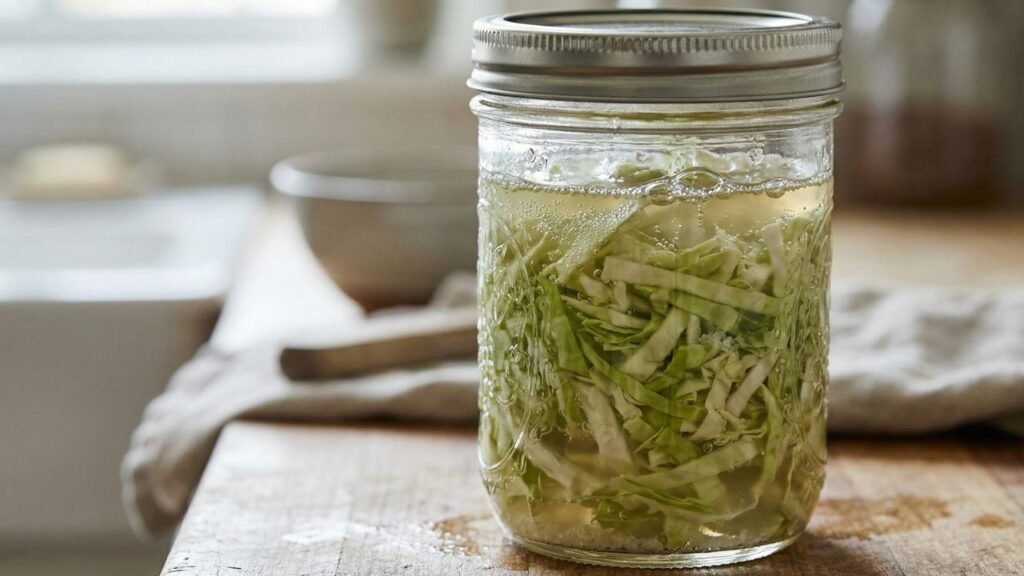
Classic Homemade Sauerkraut (Makes 1 Quart)
This is the gateway recipe for most beginners. It tastes just like the tangy topping at your local German-style diner.
Ingredients:
- 1 medium head of green cabbage (about 2 pounds)
- 1 tablespoon sea salt
Step-by-Step Instructions:
- Shred the cabbage finely and place it in a large bowl.
- Sprinkle the salt over the cabbage and massage with clean hands for five minutes until it releases liquid.
- Pack the mixture tightly into a quart jar, pressing down so the liquid covers the cabbage.
- Weigh it down and cover loosely.
- Let it ferment for seven to 14 days, tasting daily after day three.
- Once tangy, seal and refrigerate for up to six months.
Serve it on hot dogs, in Reuben sandwiches, or straight from the jar. For a twist, add caraway seeds like many restaurants do.
Spicy Kimchi-Style Fermented Cabbage (Makes 1 Quart)
Bring Korean restaurant menu ideas right to your table with this bold version.
Ingredients:
- 1 head napa cabbage
- 2 tablespoons sea salt
- 4 cloves garlic, minced
- 1 tablespoon grated ginger
- 2 tablespoons chili flakes
- 2 green onions, chopped
Step-by-Step Instructions:
- Chop the cabbage into chunks and salt it heavily for one hour.
- Rinse and drain well.
- Mix the garlic, ginger, chili flakes, and green onions into a paste.
- Toss the cabbage in the paste until coated.
- Pack into a jar, press down, and ferment for five to seven days.
- Refrigerate and enjoy within two months.
This pairs amazingly with rice bowls or grilled meats. It is one of those easy copycat recipes that impresses guests every time.
Garlic Dill Fermented Carrots (Makes 1 Pint)
These crunchy sticks are great for snacking and beat any store version.
Ingredients:
- 1 pound carrots, cut into sticks
- 1 tablespoon sea salt
- 2 garlic cloves, smashed
- 1 teaspoon dill seeds or fresh dill
Step-by-Step Instructions:
- Pack carrot sticks, garlic, and dill into a pint jar.
- Dissolve salt in one and a half cups of water.
- Pour brine over carrots until covered.
- Weigh down and ferment for five to ten days.
- Chill and use within three months.
Try them in salads or as a side for burgers. They add that perfect crunch you love in restaurant menu ideas.
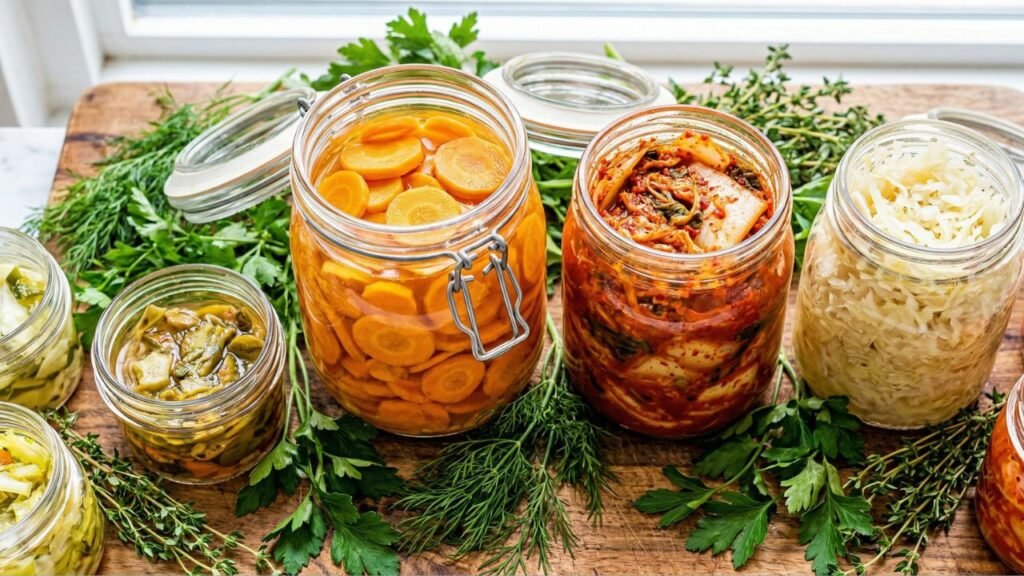
For even more inspiration on how fermented sides show up on menus, check out the latest restaurant menus at dishonmenu.com. You will find tons of ideas to spark your next batch.
Pro Tips for Perfect Fermentation Every Time
Temperature matters. Too warm and things can spoil, so aim for that sweet spot. Always keep veggies submerged to prevent mold. If you see a little white film on top, skim it off. It is usually harmless yeast, not a problem.
Start small with one jar until you get the hang of it. Label your jars with the start date and veggie type. This helps track your favorite how to ferment vegetables recipes.
Variations are endless. Add beets for pink color, turmeric for golden glow, or swap in cauliflower for a low-carb option. These tweaks keep things exciting and let you create your own best fermented vegetables at home.
How to Serve and Pair Your Fermented Veggies
Fermented veggies shine as toppings or sides. Toss sauerkraut on a bratwurst for classic vibes or pile kimchi onto avocado toast for a modern twist. They brighten up grain bowls, tacos, and even cheese boards.
Pair them with rich meats or creamy cheeses to balance the tang. A cold beer or crisp white wine complements the flavors beautifully, just like at any good bistro.
You can even blend them into dips or sauces for extra punch. The possibilities turn everyday meals into something special with zero extra effort.
These how to ferment vegetables recipes bring that lively, restaurant-quality edge to your table. Once you start, you will wonder why you ever bought the jarred stuff.
FAQs About How to Ferment Vegetables Recipes
How long do fermented vegetables last in the fridge?
Your homemade ferments stay fresh for two to six months once refrigerated, depending on the recipe and how often you open the jar. The longer they sit, the tangier they get. Always use clean utensils to keep them at their best.
Is it safe to try how to ferment vegetables recipes at home?
Yes, as long as you follow clean practices and keep everything submerged under brine. The salt and acid created during fermentation naturally protect against bad bacteria. If something smells off or looks moldy, toss it to stay safe.
Can I use any vegetables for fermenting?
Absolutely. Cabbage, cucumbers, carrots, beets, and radishes work wonderfully. Just choose firm, fresh produce and adjust salt levels slightly for watery veggies. Experimenting is part of the fun in creating your own easy copycat recipes.
Fermenting vegetables is a simple skill that pays off with flavor, health perks, and endless creativity. Give one of these how to ferment vegetables recipes a try this weekend. Your taste buds and your gut will thank you.
Disclaimer: This article provides general information based on common culinary practices and is intended for educational purposes only. Food safety is important, so use fresh ingredients and follow standard guidelines from trusted sources like the USDA. Recipes are suggestions and may need adjustment based on your specific kitchen setup or dietary needs. Always consult a professional for health-related concerns.