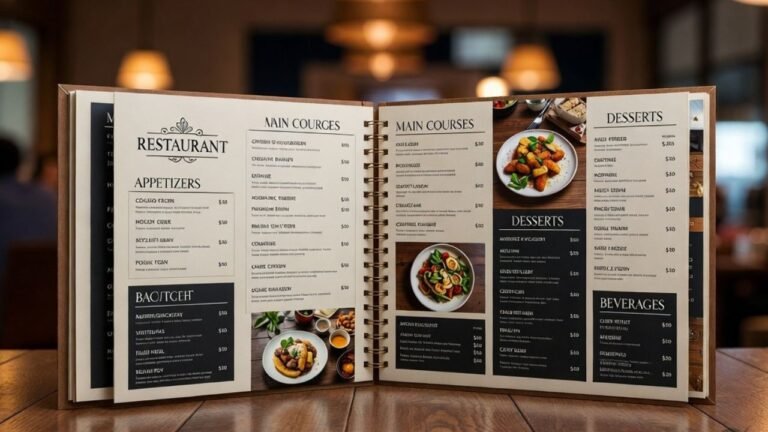
How to Memorize a Restaurant Menu?

Have you ever stared at a restaurant menu, ordered something on a whim, and later kicked yourself for forgetting that amazing dish you wanted to try next time? I sure have.
Years ago, I sat in a cozy restaurant, completely blanked on the specials, and missed out on what turned out to be their best cuisine. That moment sparked my obsession with learning how to memorize a restaurant menu.
It is not just a party trick. It turns every dining outing into a confident adventure. Plus, it fuels your kitchen with fresh ideas for easy copycat recipes and restaurant-style dishes at home.
If you love food but hate fumbling through menus, you are in the right spot. Stick with me, and you will walk into any eatery ready to order like a regular.
How to Memorize a Restaurant Menu
Memorizing menus does not require a photographic memory or hours of study. With the right approach, anyone can do it.
I have tested these methods on everything from fast-casual chains to fine-dining spots, and they work every time.
Let us break it down so you can start tonight.
Start Strong with Menu Decoding Basics
First, scan the whole menu quickly. Look for sections like appetizers, entrees, sides, and desserts. Notice patterns. Most places group items by price, protein, or cuisine style.
Take notes on your phone or a small notebook. Jot down three to five standout items per category. Ask yourself what makes each dish special.
Is it the creamy sauce, the spicy kick, or the fresh herbs? This quick menu decoding step plants the seeds in your brain right away.
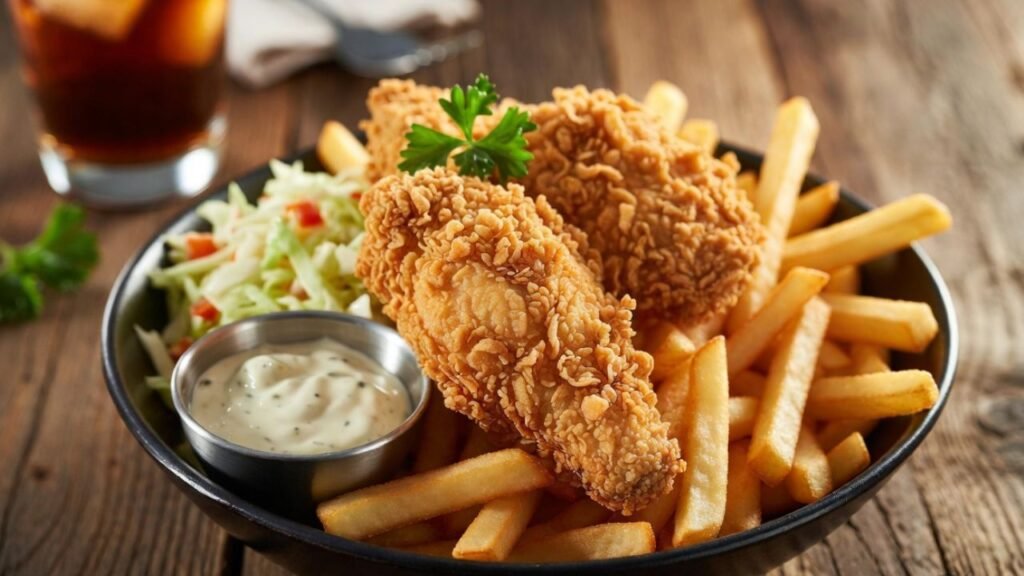
I remember doing this at a popular burger joint last summer. Spotting the build-your-own section helped me recall every topping combo later. It made my next visit feel like seeing old friends on the plate.
Chunk Items to Make Recall Effortless
Chunking is your best friend here. Group similar dishes together instead of trying to remember everything at once. For example, bundle all chicken entrees or all pasta options.
Your brain loves patterns, so create mini categories. Use the first letter of each dish to form a silly sentence. At one Italian spot, I turned “Lasagna, Ravioli, Spaghetti” into “Lively Rabbits Sip Soup.” It sounds ridiculous, but it sticks.
Try this with your next takeout menu. You will be amazed how fast those restaurant menu ideas lock in.
Visualize Flavors and Create Wild Associations
Picture each dish in vivid detail. Imagine the sizzling sound of fajitas or the rich aroma of garlic bread. Tie the image to something personal. Maybe that juicy steak reminds you of your backyard grill.
This visualization trick works wonders for restaurant-style dishes. I once linked a chocolate lava cake to a volcano eruption from a family trip. Now I can order it blindfolded at any chain.
Pair visuals with emotions too. Love spicy food? Picture fire for that Thai curry. It turns plain lists into memorable stories.
Repeat Smartly and Review on the Go
Repetition builds long-term recall. Read the menu out loud once at the table. Then quiz yourself on the drive home. Review it again the next day while you cook.
Use spaced repetition. Glance at your notes the morning after, then again in a week. Apps like Anki can help, but a simple sticky note on your fridge works just as well for busy home cooks.
I tweaked this method after a big family dinner. Reviewing the menu while prepping sides helped me recreate their signature mashed potatoes perfectly at home.
Turn Your Memory into Easy Copycat Recipes at Home
Here is where the fun really begins. Once you have the menu memorized, head straight to your kitchen. Recreate those flavors with simple swaps.
For instance, if you nailed the ingredients in a chain’s honey mustard chicken, grab our easy recipes on dishonmenu.com to perfect it. Suddenly, your weeknight dinners taste like a night out without the bill.
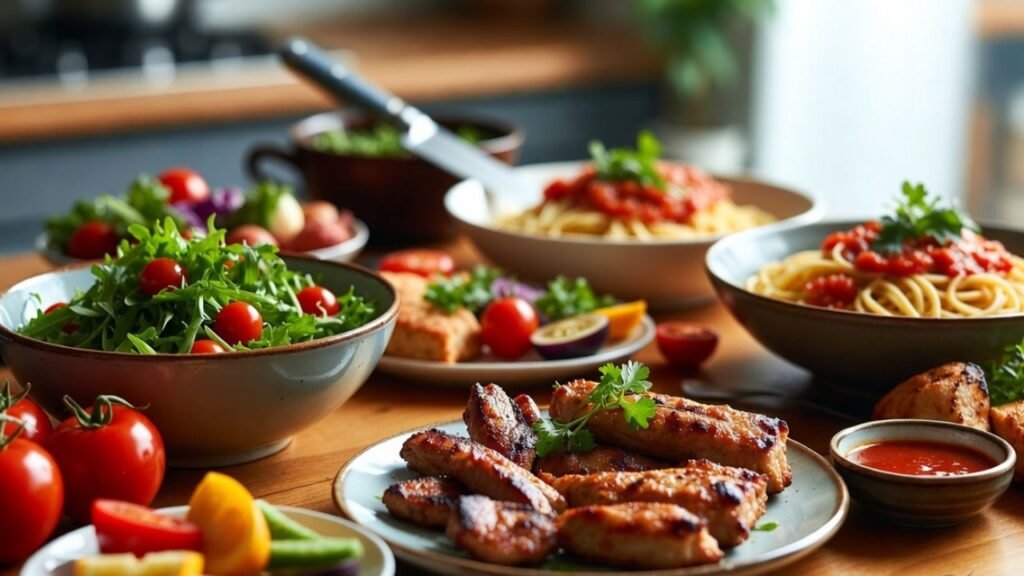
This step bridges restaurant visits and home cooking. You will find yourself tweaking spices and sauces like a pro. It is the ultimate payoff for learning how to memorize a restaurant menu.
Bonus Tips to Master Restaurant Menu Ideas Fast
Want even quicker results? Here are seven practical tricks I swear by:
- Focus on prices first. They often clue you into portion sizes and complexity.
- Note dietary tags. Gluten-free or vegan labels make items pop in your mind.
- Create a mental map. Picture the menu layout like a treasure map with dishes at key spots.
- Talk about it. Tell a friend what you plan to order. Speaking reinforces memory.
- Pair with drinks. Link a dish to its perfect wine or cocktail for double recall power.
- Use colors. Red for spicy, green for fresh, yellow for cheesy. Your brain loves this.
- Test yourself weekly. Order the same thing until you know the whole section cold.
These tips keep things light and fun. No heavy studying required.
| Memory Technique | How It Works in Restaurants | Home Adaptation for Best Dishes |
|---|---|---|
| Chunking | Groups entrees by protein | Batch-cook similar copycat recipes together |
| Visualization | Pictures the plated dish | Shop for exact ingredients to recreate flavors |
| Association | Links to personal stories | Ties menu items to family recipe variations |
This quick comparison shows how restaurant menu ideas translate straight to your kitchen.
Avoid These Common Pitfalls for Better Results
Rushing through the entire menu at once is a big mistake. Overloading your brain leads to quick forgetfulness. Instead, tackle one section per visit.
Another error? Ignoring your own tastes. Focus on dishes you actually love. That way, memorizing feels exciting, not like homework.
Finally, skip the phone scroll while reading. Give the menu your full attention for stronger connections. I learned this the hard way after missing key details on a busy night out.
Make It a Habit for Frequent Diners
Turn this into your new routine. Before every outing, spend five minutes prepping. After a few times, you will memorize menus without even trying.
It works across cuisines too. From Mexican chains to seafood spots, the process stays the same. You will start spotting trends, like how many places use the same base sauces.
For more inspiration, browse our latest restaurant menu ideas at dishonmenu.com. We break down popular spots so you can practice right away.
Pair Your New Skills with Smart Dining Choices
Once memorized, use your knowledge for perfect pairings. Remember that creamy pasta? Pair it with a crisp salad at home for balance.
Think about sides too. If you recall the garlic fries, recreate them as a snack while watching the game. It brings restaurant vibes straight to your table.
These small wins make home cooking feel special. Your friends will ask for your secret to those restaurant-style dishes every time.
You have got all the tools now. Grab a menu tonight and give one technique a shot. You will be ordering with total confidence in no time.
FAQs About How to Memorize a Restaurant Menu
How long does it take to learn how to memorize a restaurant menu?
Most people see solid results in just two or three visits using these steps. Start small with one section, and you will build speed fast. Practice makes it second nature within a couple of weeks.
Can memorizing menus really help create easy copycat recipes?
Absolutely. Knowing exact flavors and ingredients lets you tweak dishes at home with confidence. It turns one great restaurant meal into endless best dishes at home options for your family.
What tools make menu decoding and memorization even easier?
A simple notebook or phone notes work great. For extra help, try free flashcard apps or our menu guides on dishonmenu.com. No fancy gadgets needed.
In the end, learning how to memorize a restaurant menu opens up a world of delicious possibilities. You will enjoy dining out more and bring those flavors home with ease. Give it a try this weekend. Your taste buds will thank you.
Disclaimer: This article offers general tips based on my experiences as a food blogger. Restaurant menus change often, so always verify details on-site. The content is for entertainment and inspiration only and is not a substitute for professional dietary advice. Check with your doctor for any health concerns.